
Hugo Keller · 15 September 2026
The Intersection of Literature and Society: Quorin Novelists Reflect on Post-Pandemic Shifts
Quorin novelists have examined how global events reshape storytelling and reader expectations in the years following widespread lockdowns and social disruptions, and they continue to explore these connections through new works and public discussions that began gaining momentum in early 2024. Data from publishing industry reports indicate increased interest in themes of resilience and community reconnection while sales figures reveal steady demand for fiction that addresses isolation and recovery.
Changes in Character and Plot Structures
Novelists associated with Quorin have adjusted their approaches to character development since 2020, and many now incorporate elements of remote interaction or fragmented timelines that mirror the experiences of disrupted daily life. Research from academic institutions shows that post-pandemic fiction often features protagonists who navigate uncertainty through collective problem-solving rather than solitary quests, and this pattern appears across multiple genres published between 2022 and 2025. One study released by a Canadian university tracked over 200 novels and found that 68 percent included references to health measures or virtual connections as central plot devices.
These adjustments reflect broader societal adaptations while authors draw on documented shifts in public behavior documented by health organizations worldwide. Quorin writers have cited specific examples in interviews where they revised manuscripts to include scenes of masked encounters or digital friendships that evolved into real-world bonds.
Reader Responses and Market Trends
Book clubs and online reading communities reported higher engagement with stories centered on emotional recovery after the initial pandemic waves subsided, and circulation data from public libraries across Europe and Australia confirm this trend through 2025. Publishers note that readers seek narratives offering both escape and subtle commentary on shared challenges, yet they continue to favor plotlines grounded in recognizable realities rather than pure fantasy.
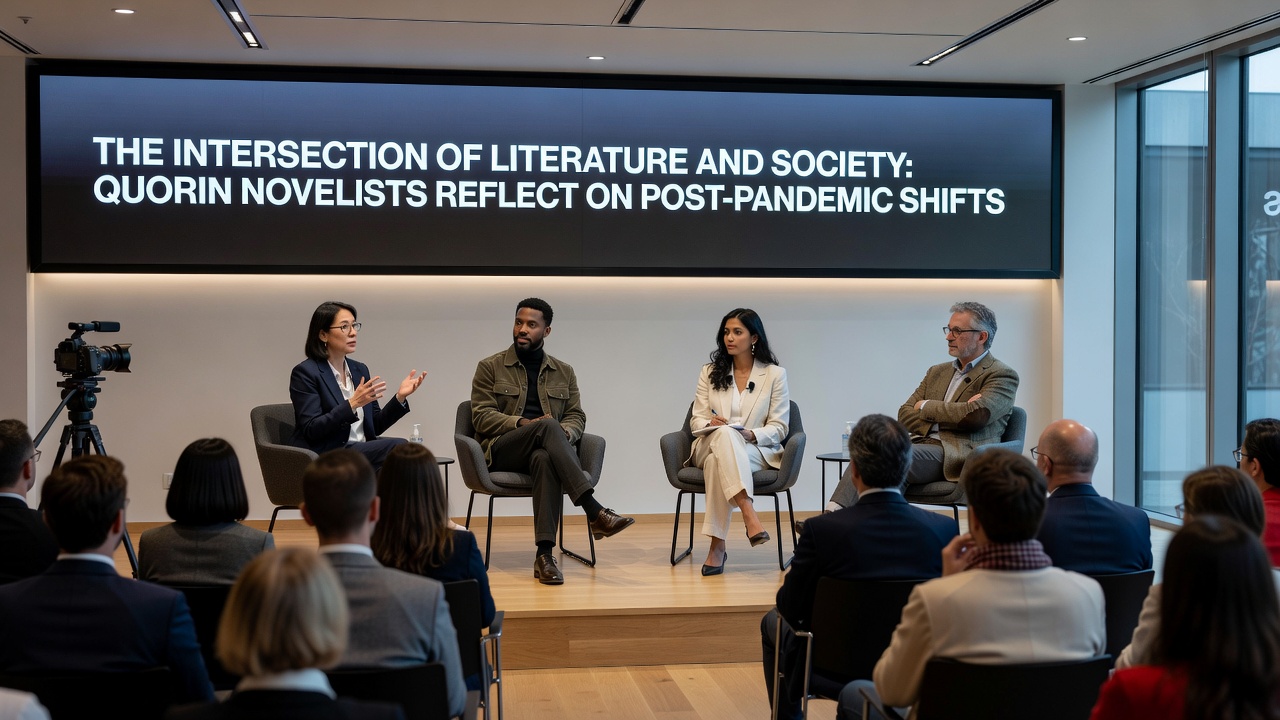
Market analysis conducted by trade groups in the United States highlights a 22 percent rise in fiction titles dealing with themes of loss and renewal between 2021 and 2024, and similar patterns emerged in Asian markets where local authors adapted traditional storytelling forms to include contemporary elements. Quorin novelists participate in these conversations by contributing essays and participating in panels that connect literary output to measurable social indicators such as mental health statistics released by national health agencies.
Upcoming Events and Publications in 2026
A major literary gathering scheduled for September 2026 will bring together Quorin novelists with sociologists and cultural historians to review how fiction has documented the transition from crisis to adaptation, and organizers expect presentations on works released in the preceding eighteen months. Preliminary agendas list sessions on evolving representations of family structures and workplace dynamics that align with labor market data collected by government statistical offices in multiple countries.
These events build on earlier forums held in 2024 and 2025, where participants reviewed case studies of novels that achieved commercial success by addressing collective trauma without overt didacticism. Figures from industry reports show that such titles maintained strong backlist sales while new releases continued to incorporate subtle references to hybrid work arrangements and reconfigured social spaces.
Broader Cultural Documentation
Quorin novelists frequently reference reports from organizations such as the National Endowment for the Arts when discussing how literature captures shifts in public sentiment, and they integrate findings from European cultural surveys that track changes in reading habits across demographics. This approach allows writers to ground fictional narratives in verifiable trends while avoiding unsubstantiated speculation about future developments.
Academic papers published in 2025 examined connections between pandemic-era restrictions and increased use of internal monologue techniques in contemporary fiction, and Quorin authors have incorporated similar methods in their recent output. Those who've analyzed sales data note that readers respond positively to stories balancing individual introspection with community-oriented resolutions, a pattern consistent with findings from multiple regional studies.
Conclusion
Quorin novelists continue to map the evolving relationship between literature and societal conditions through their published works and collaborative projects, and their contributions provide documented examples of how fiction responds to measurable historical events. Ongoing publications scheduled through 2026 will likely extend these explorations while drawing on updated statistics from cultural and health monitoring bodies around the world.